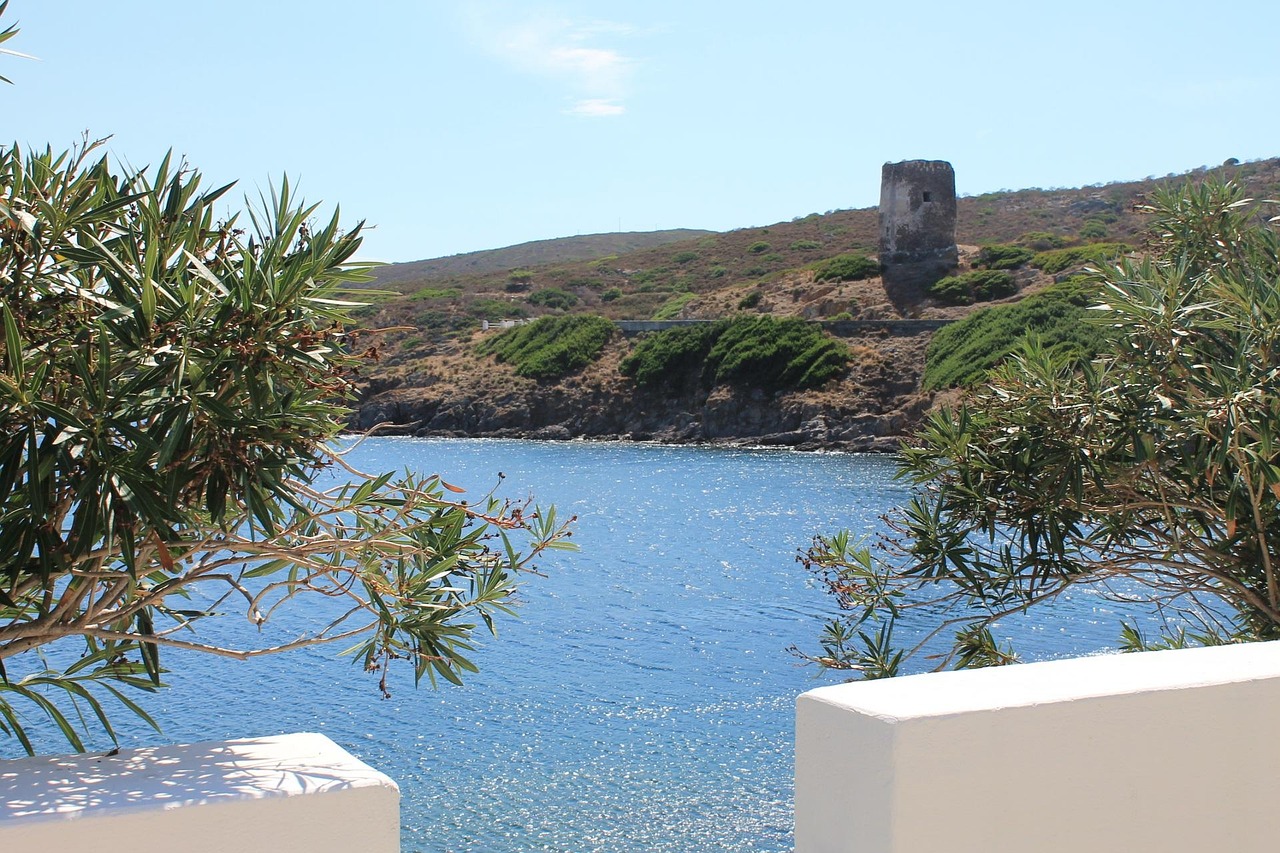
Asinara: From High-Security Prison to National Park
The island with the white donkeys off Stintino was off-limits for over a century – first as a quarantine station, then as one of Italy's toughest prisons.
From quarantine to prisoner camp
In the late 19th century, Asinara was first set up as a quarantine station for sailors. In World War I, the island served as a massive prisoner-of-war camp: around 24,000 Austro-Hungarian soldiers captured after the Battle of Mojkovac were interned here – under catastrophic hygienic conditions that killed thousands.
High-security wing for the Mafia
From the 1970s onward, during Italy's so-called "Years of Lead" of political violence, Asinara operated as a high-security prison holding RAF-style Red Brigades terrorists as well as, later, leading Mafia bosses. After the assassinations of judges Giovanni Falcone and Paolo Borsellino in 1992, Italy drastically tightened detention conditions for mafiosi: the notorious "41-bis" special detention regime, which almost completely isolated bosses like Salvatore Riina from the outside world, was enforced here among other places.
Where the case against Cosa Nostra was built
As early as 1985, judges Falcone and Borsellino worked temporarily on Asinara – sheltered for security reasons in the guesthouse at Cala d'Oliva – on the roughly 8,000-page indictment for the historic Maxi Trial against Cosa Nostra in Palermo, which led to the conviction of hundreds of mafiosi.
Today: national park with white donkeys
In 1997 the prison was finally closed and the entire island declared a national park. Precisely because it was sealed off for so long, the striking white, blue-eyed donkey breed survived here, which we've dedicated a section to in our article on Sardinia's wildlife. Today Asinara is only accessible via organized tours or boats from Stintino or Porto Torres – a national park whose deserted coves exist almost entirely because of a former restricted zone.