Sardinia's Regions: Where It's Worth Traveling To
Sardinia is Italy's second-largest island after Sicily – usually too big to see in full on a single trip. An overview of the main regions and their character, to help with route planning.
Costa Smeralda & Gallura (Northeast)
The "Emerald Coast" around Porto Cervo is the island's most glamorous corner: luxury yachts, exclusive resorts, but also some of the best-known beaches (La Cinta, Cala Brandinchi, Spiaggia del Principe). Golfo Aranci and San Teodoro are also in this region and offer a somewhat more accessible base than Porto Cervo itself.
Alghero & the Northwest
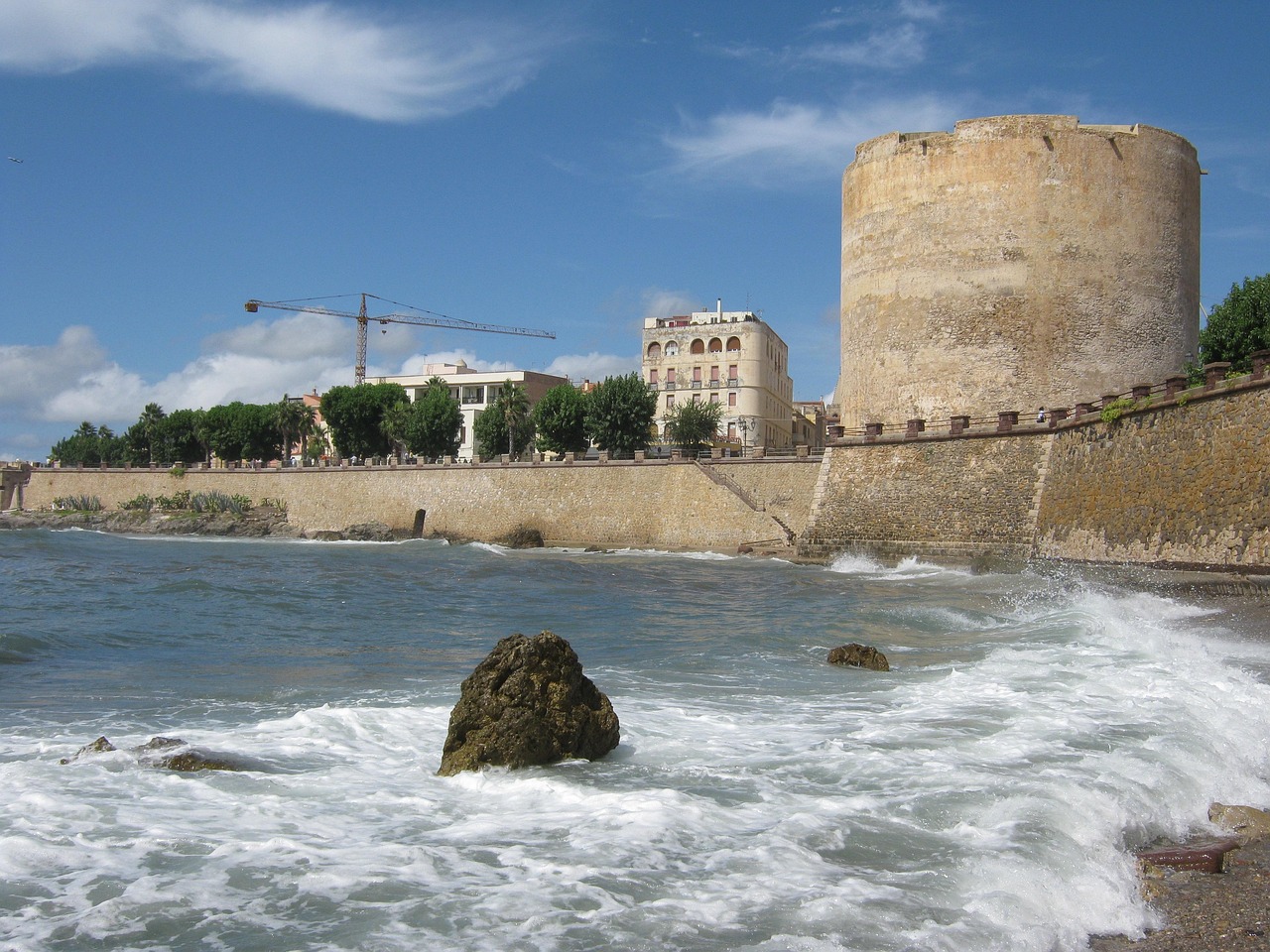
Alghero stands out for its Catalan-influenced old town with a sea-facing city wall – a legacy of centuries of Aragonese rule that still shows in the townscape and, in places, even the language. Nearby: the Grotte di Nettuno and Spiaggia della Pelosa near Stintino.
Golfo di Orosei & Ogliastra (East)
Probably the island's most dramatic coastline: tall limestone cliffs dropping almost vertically into the sea, with turquoise coves like Cala Goloritzé or Cala Mariolu in between. Little infrastructure, but pure nature – ideal for hiking and boat trips, less so for city travelers.
Cagliari & the South
The island's capital is often seen only as an arrival point, but it has a worthwhile historic centre (Castello), its own city beach (Poetto), and good restaurants away from the tourist trail. From here, the southwest (Chia, Iglesias) and southeast (Villasimius, Costa Rei) are also easy to reach.
Barbagia (Inland)
The mountainous region at the island's centre is the exact opposite of the coastal towns: rural, known for traditional festivals, cheesemaking, and an exceptionally high life expectancy among its population – the region counts as one of the world's few "Blue Zones." If you're only after the beach, you can skip it; if you want to see "the other" Sardinia, plan for at least a day.
Sinis Peninsula & Oristano (West)
Less well-known, but worthwhile: flat coastal landscapes, the unusual quartz-sand beach of Is Arutas, and the archaeological site of Tharros, a former Phoenician-Roman port city.